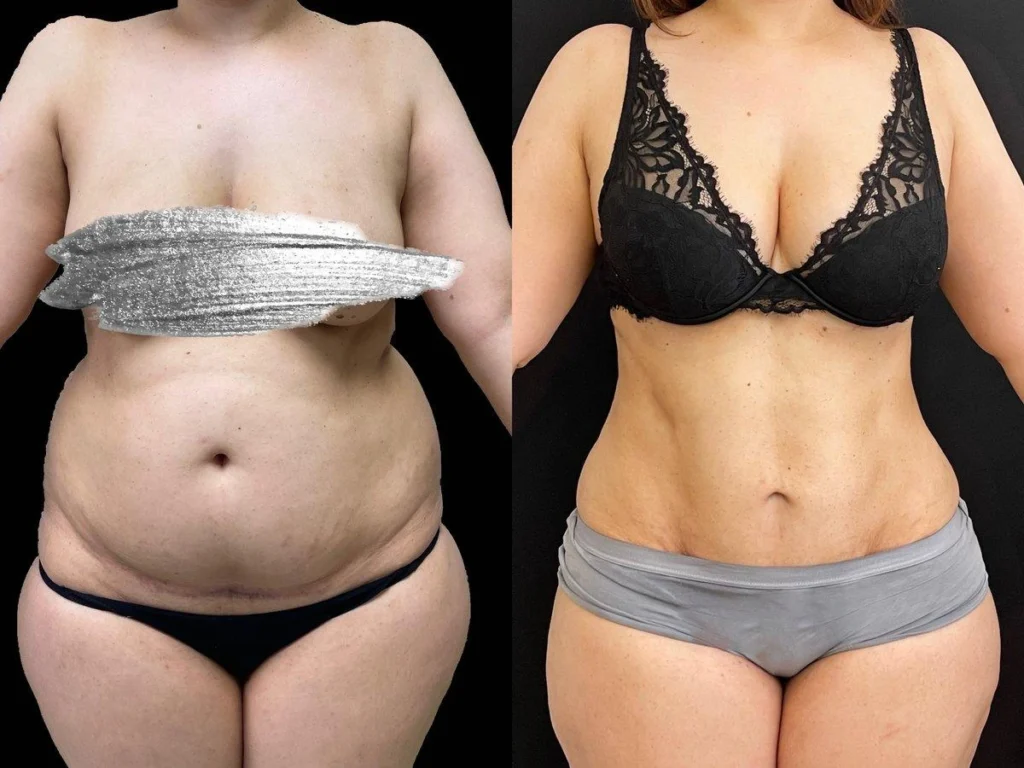
Heavy breasts can affect your posture, your sleep, your workouts, and the way you feel in your clothes. At his plastic surgery clinic in Defence Phase 6, Dr. Afaq Saleem helps women across Karachi find lasting relief through breast reduction surgery. He listens to your concerns first, explains your options honestly, and plans a result that suits your body.
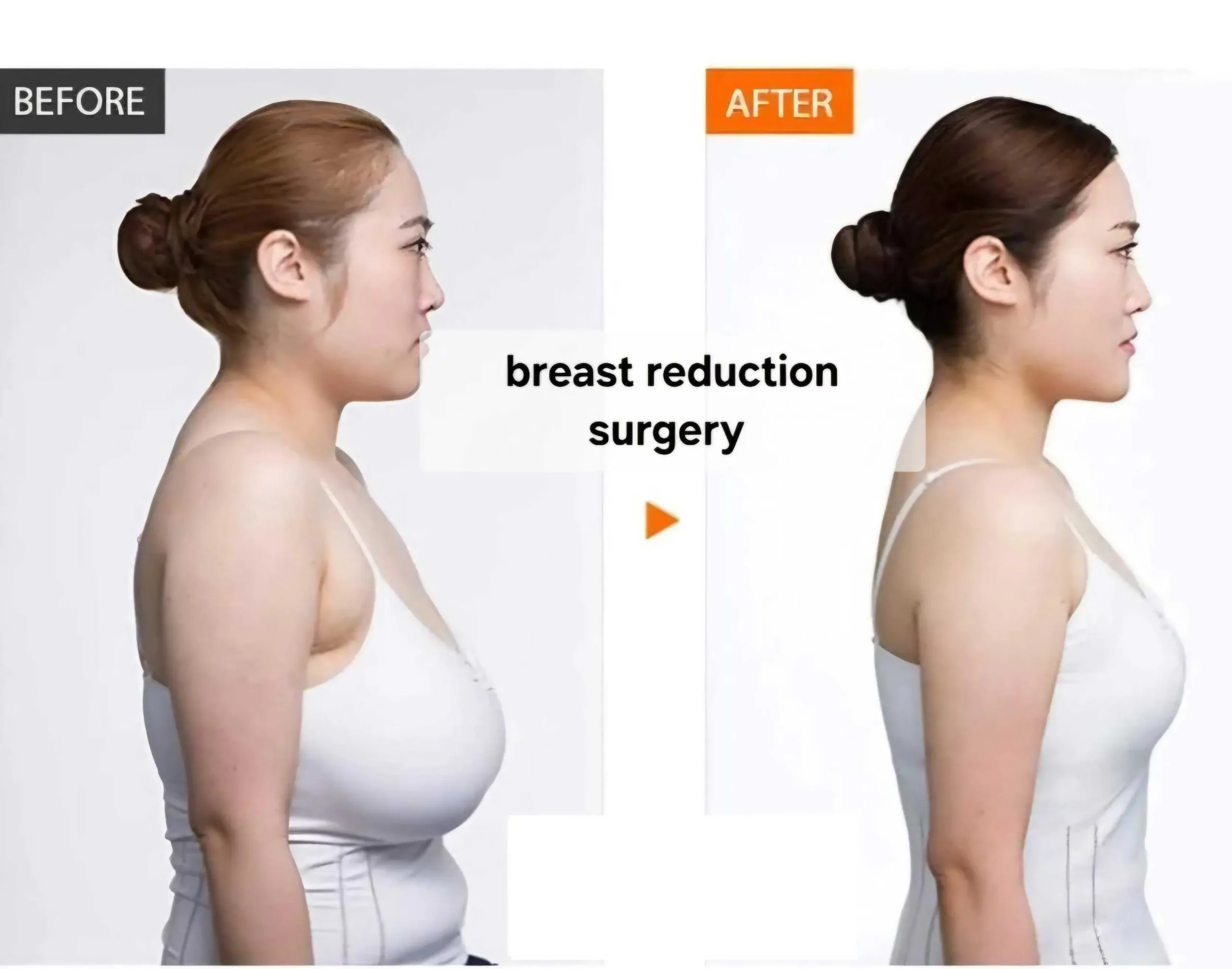
Breast reduction surgery, known medically as reduction mammoplasty, removes excess breast tissue, fat, and skin. The surgeon then reshapes the remaining breast tissue and lifts the nipple and areola to a natural position. You end up with smaller, lighter breasts that match your frame.
Many women call this procedure boob reduction when they first search for it online. Whatever name you use, the goal stays the same: to ease the physical burden of oversized breasts and help you feel proportionate.
Women choose this surgery for medical reasons, cosmetic reasons, or both. Some live with daily pain. Others feel their breast size overwhelms their body shape. Both concerns are valid, and as a top plastic surgeon in Karachi, Dr. Afaq treats them with equal respect. Every patient’s anatomy is different, so he never promises identical results for two people.
You do not need to “put up with it.” Consider a consultation if you notice any of these:
• Constant neck, shoulder, or upper back pain
• Deep grooves in your shoulders from bra straps
• Rashes or skin irritation under your breasts
• Trouble exercising, running, or staying active
• Difficulty finding clothes and bras that fit
• Unwanted attention that makes you self-conscious
• Breasts that look out of proportion with the rest of your body
If several of these sound familiar, surgery may help. A proper examination will tell you for sure.
Most good candidates share a few traits. You are in good general health. You do not smoke, or you are willing to quit well before surgery. Your weight has been stable for some time. Your breasts have finished developing. You also hold realistic expectations about the outcome.
Your plans for pregnancy and breastfeeding matter too. Surgery can affect your ability to breastfeed, so Dr. Afaq discusses this openly with every patient before recommending a technique. Age is another point to talk through during your visit.
Not sure whether you qualify? Book an assessment with Dr. Afaq. He will examine you, answer your questions, and tell you plainly whether surgery makes sense right now.
Your first visit is a conversation, not a commitment. Here is what happens:.
1. Dr. Afaq asks about your goals and what bothers you most..
2. He reviews your medical history, medications, and family history..
3. He examines you and takes breast measurements..
4. He recommends the technique that suits your anatomy..
5. He explains the risks, the recovery, and the costs in detail.
Choosing a surgeon is the most important decision in this process. Dr. Afaq Saleem practices as a plastic surgeon at his clinic in Defence Phase 6, Karachi, and he performs breast surgery as part of his regular practice. [Add the following, supplied by Dr. Afaq: full qualifications (MBBS, FCPS Plastic Surgery or equivalent), fellowships, professional memberships, PMDC registration number, years in practice, and any training abroad.] Dr. Afaq believes good surgery starts with good communication. He explains each step in plain language, gives you time to think, and never pushes you toward a decision. He values your privacy, and he aims for results that look natural rather than obvious. If you are searching for the best plastic surgeon for breast reduction in Karachi, we suggest you check three things: the surgeon’s verified qualifications, how many breast procedures he performs, and how openly he discusses risks. Ask Dr. Afaq about all three at your visit.
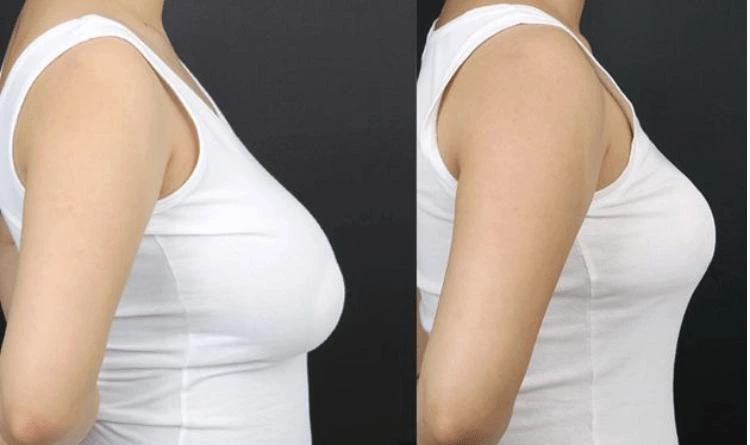
Your first visit is a conversation, not a commitment. Here is what happens:
Breast reduction is not one-size-fits-all. Dr. Afaq selects the approach based on your breast size, skin elasticity, and the amount of tissue to remove. Common techniques include:
In every technique, the surgeon repositions your nipple and areola to sit naturally on the smaller breast. Scars are permanent, but they usually fade over time. Dr. Afaq places them where clothing and bras can conceal them.
[Dr. Afaq to confirm which techniques he performs.]
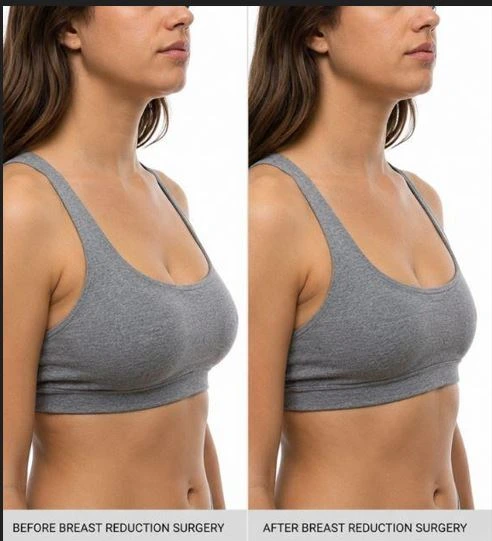
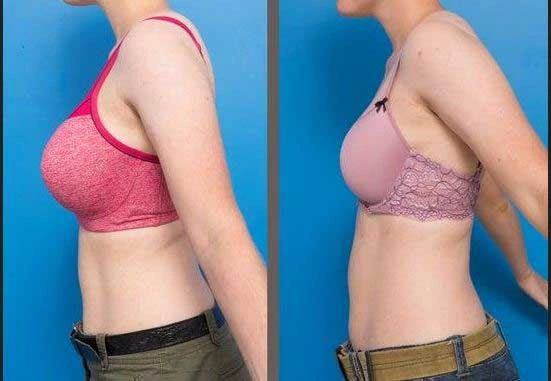
Breast reduction takes place under general anesthesia, so you sleep through the operation. Surgery usually lasts a few hours, depending on the technique and the amount of tissue removed. [Confirm typical duration, hospital or day-care facility, and expected stay with Dr. Afaq.]
Your journey looks like this: Consultation → Pre-operative tests → Surgery → Recovery → Follow-up. Our team stays with you through each stage.
Good preparation makes recovery smoother. Before your operation, you will:
Our team gives you a written checklist so nothing slips through.
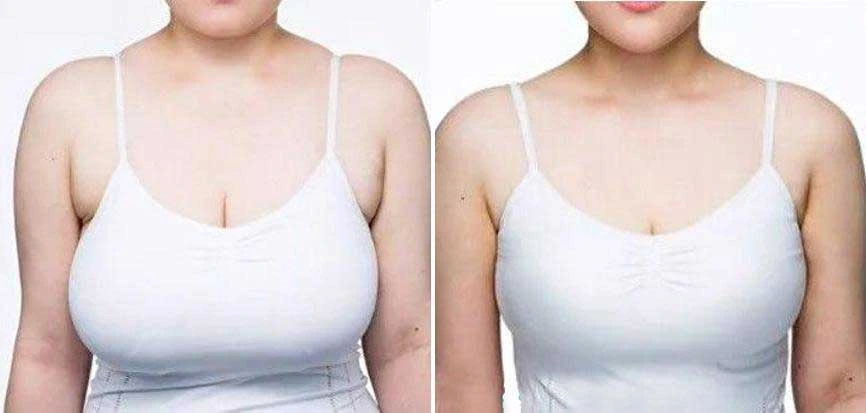
You will feel sore and tired in the first 24 to 48 hours. Dr. Afaq prescribes medication to keep you comfortable. Swelling and bruising peak in the first week, and you will wear a support bra day and night to protect your results.
Careful aftercare is what makes the best boobs reduction results last, so it pays to follow each instruction closely. Most women return to desk work within about two to three weeks, though everyone heals at a different pace. You should avoid heavy lifting and strenuous exercise for around six weeks, or until Dr. Afaq clears you. You will attend regular follow-up visits so he can check your wounds and your healing.
Call the clinic right away if you notice increasing pain, fever, spreading redness, unusual swelling on one side, or any wound opening. Prompt contact helps us solve small problems before they grow.
The phrase is used once, which keeps it natural and avoids keyword stuffing. If you’d prefer a smoother grammatical fit, you could use “the best breast reduction results” instead, but I’ve kept your exact keyword here.
Swelling takes weeks to settle, and your final shape usually emerges over several months. Scars start red and gradually fade, often over a year or longer.
Many patients report less pain, better posture, easier exercise, and more confidence in their clothes. Your results are long-lasting, but they are not immune to change. Major weight gain or loss, pregnancy, and aging can alter your breast shape over the years.
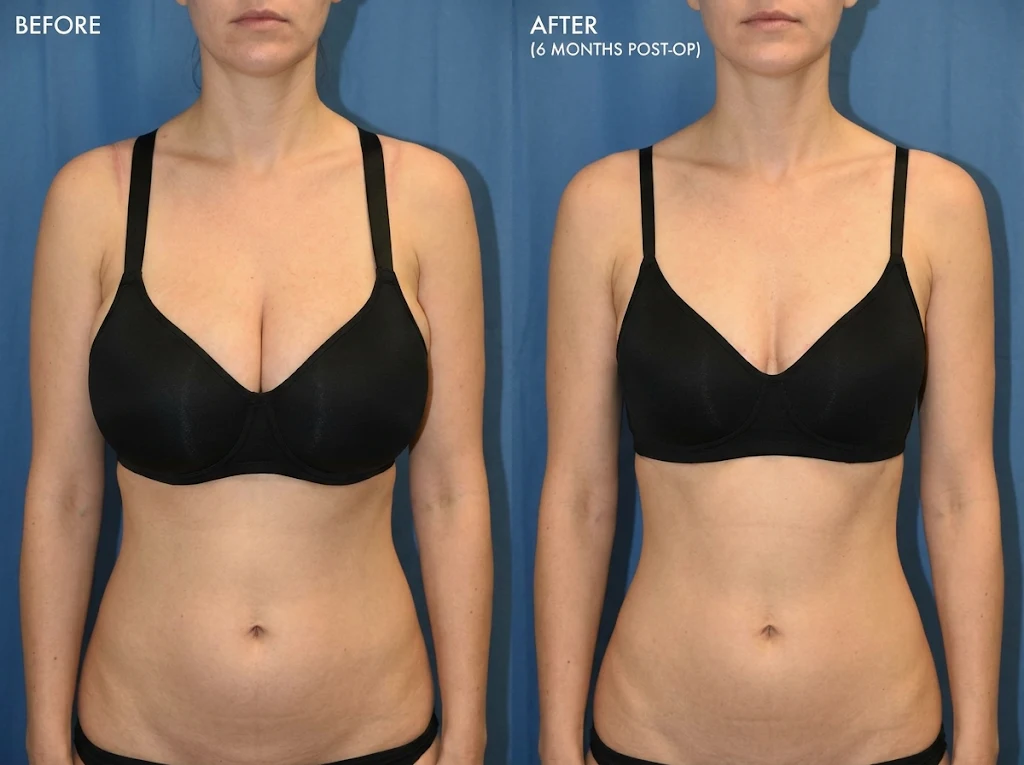
Every surgery carries risk, and we believe you deserve to hear about it plainly. Possible risks include bleeding, infection, visible scarring, and changes in nipple or breast sensation, asymmetry, delayed wound healing, and reduced ability to breastfeed.
Dr. Afaq reduces these risks through careful patient selection, thorough planning, a sterile surgical setting, and close follow-up. You play a part too: following your aftercare instructions closely makes a real difference to your safety and your results.
Almost every patient asks about boob reduction costs, and we think that is a fair question. The breast reduction cost in Karachi differs from patient to patient because several factors shape the final figure:
For this reason, we do not publish a single price for boob reduction surgery cost. After your consultation, Dr. Afaq’s team gives you a clear, itemized quote, so you know what to expect before you decide.
If your breasts cause medical symptoms, your insurance provider may cover part of the cost. Coverage varies between companies, so check your policy and ask our team for supporting documents.
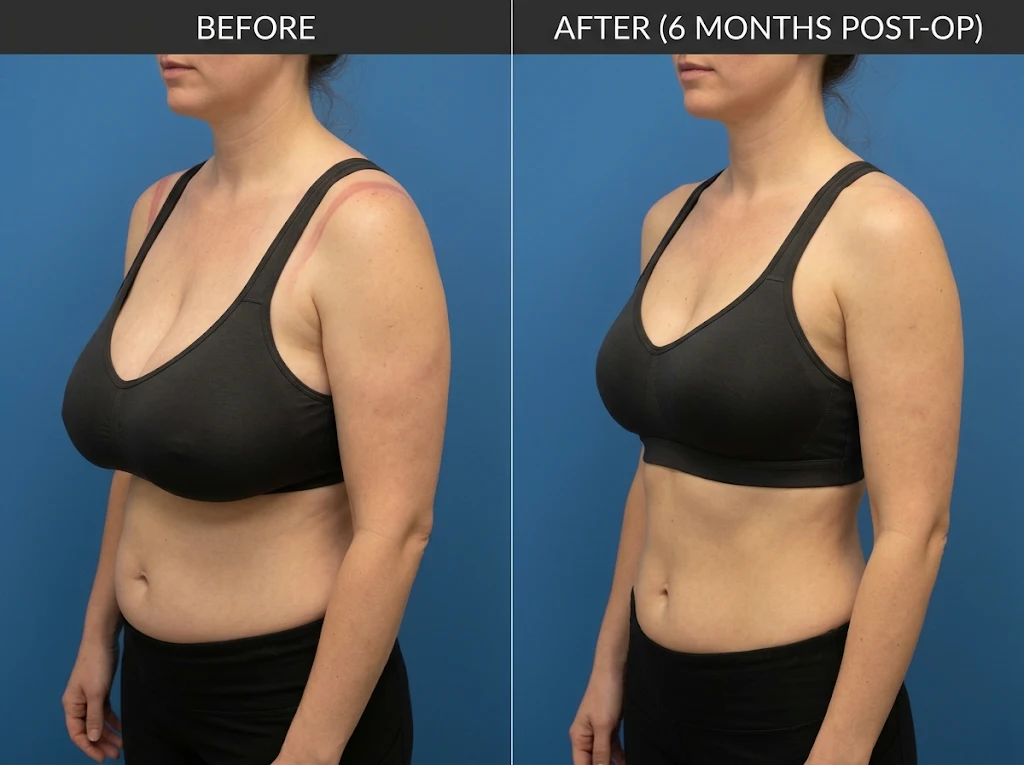
Yes, breast reduction leaves scars. Dr. Afaq places them carefully, and they fade over time. Most women find them easy to hide under bras and swimwear.
You will feel soreness for the first few days. Prescribed medication keeps most patients comfortable, and the discomfort eases steadily.
Most women resume light daily activities within one to two weeks and return to work in two to three weeks. Full recovery takes longer.
Some women can, and some cannot. It depends on the technique and your anatomy. Tell Dr. Afaq about your plans before surgery.
Sometimes, when the surgery is medically necessary. Coverage varies, so confirm with your provider.
The removed tissue does not grow back, but weight changes, pregnancy, and aging can still change your breast shape.
Your breasts must be fully developed. Dr. Afaq assesses each patient individually.
Yes, many women do. Discuss your future plans openly so Dr. Afaq can choose the best technique for you.
Gentle walking starts early. You return to strenuous exercise after about six weeks, with Dr. Afaq’s approval.
When a qualified surgeon performs it in an appropriate facility, breast reduction is a well-established procedure, though no surgery is risk-free. [Confirm hospital or facility name with Dr. Afaq.]
Patients choose Dr. Afaq for several reasons. He is a specialist plastic surgeon who plans every operation around the individual. He protects your privacy, treats you with respect, and explains costs and risks without hiding anything. His clinic in Defence Phase 6 offers modern facilities and clear follow-up care after surgery.
He graduated from dow medical college in 2007 and after basic surgical training, he acquired the highest surgical qualification FCPS in the field of plastic surgery from the College of Physicians and Surgeons Pakistan.
© 2026 Dr. Afaq Clinic, All rights reserved, Terms and Conditions & Privacy Policy.