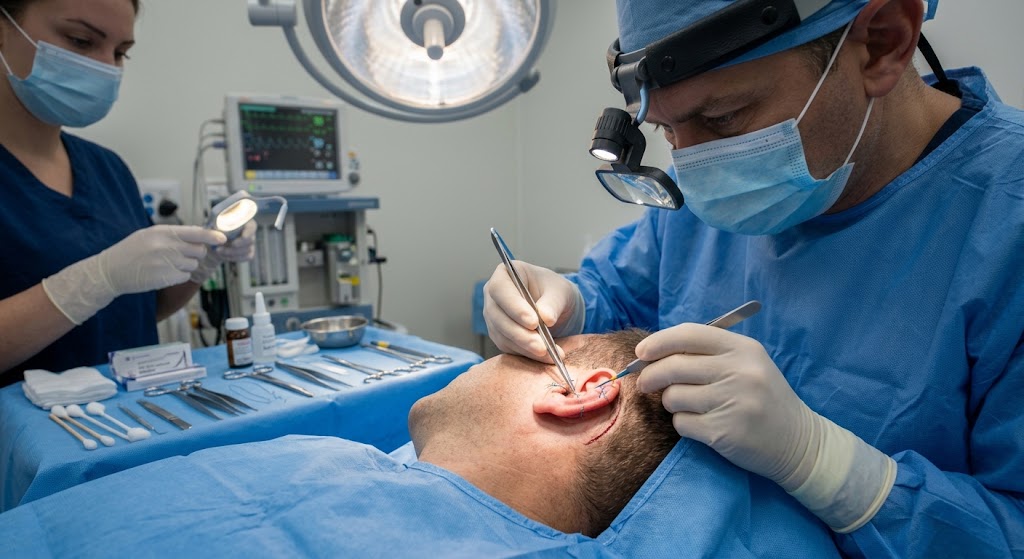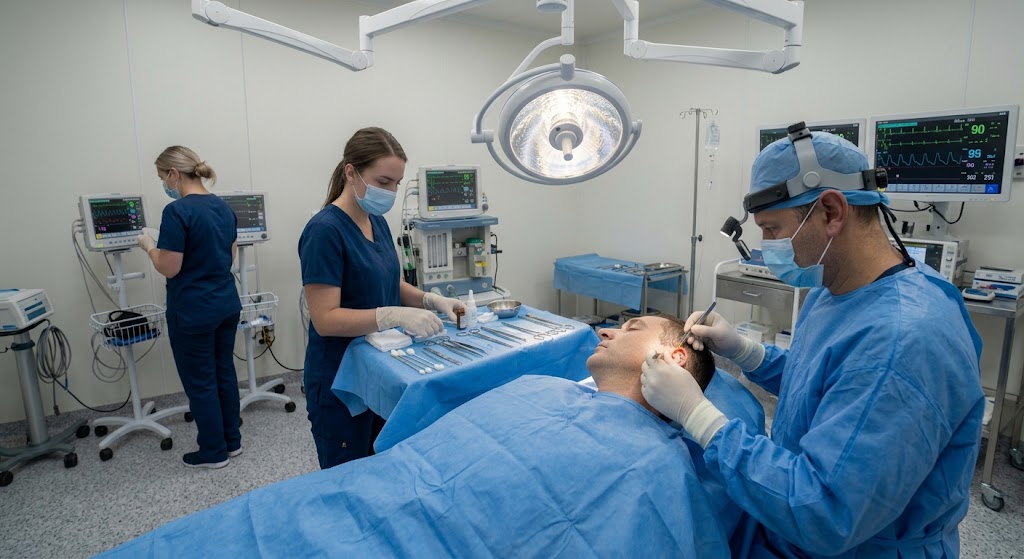
Prominent or protruding ears, medically addressed through otoplasty surgery or commonly referred to as “bat ears”, can significantly impact self esteem, facial balance, and personal confidence. Bat ear surgery, clinically termed otoplasty ear surgery or cosmetic ear pinning, is a safe, established aesthetic and reconstructive procedure designed to reshape cartilage, reduce prominence, and position the ears closer to the sides of the head.
Led by Dr. Afaq Saleem, our practice provides specialized pediatric and adult aesthetic ear corrections designed for long term balance and symmetry. Whether addressing congenital ear cartilage abnormalities in children or correcting structural asymmetries in adults, modern otoplasty surgery under Dr. Afaq Saleem offers a permanent, natural looking aesthetic transformation. For patients seeking holistic aesthetic refinements alongside facial balance, our comprehensive aesthetic clinic often combines facial profiling with complementary procedures such as Autologous fat transfer Karachi for volume restoration
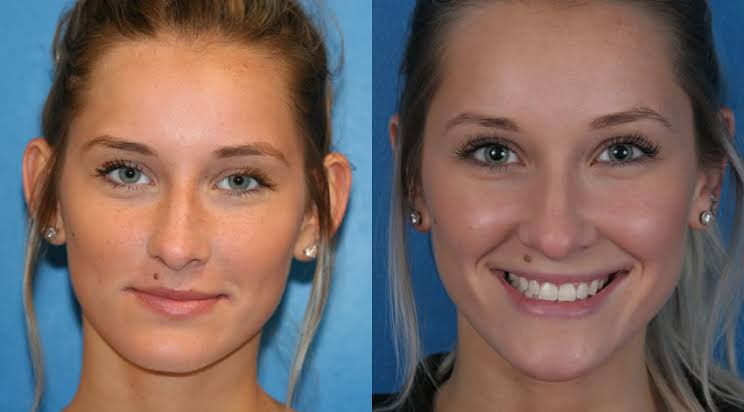
The appearance of prominent ears is primarily hereditary and typically results from one or a combination of structural anatomical factors:
Underdeveloped Antihelical Fold: The outer rim of the ear lacks the natural inward fold, causing the upper portion of the ear to flare outwards.
Conchal Hypertrophy (Excess Cartilage): The deep bowl of the ear (the concha) is excessively deep or large, pushing the entire ear structure away from the skull. Much like how rhinoplasty addresses nasal cartilage imbalance, prominent ear correction requires careful cartilage adjustment.
Prominent Lobule: The earlobe itself projects outward disproportionately to the rest of the facial framework.
During otoplasty ear surgery, Dr. Afaq Saleem corrects each of these structural anomalies by reshaping, scoring, or excising cartilage to achieve symmetry and harmonious facial proportions.
Choosing the right team comes down to safety, precision, and natural results. At AHTCS, board-certified plastic and reconstructive specialists bring years of focused surgical experience to every ear reshaping procedure. We use advanced, cartilage-sparing techniques tailored to your specific anatomy—avoiding that stiff, over-pinned look. From state-of-the-art operative care to dedicated, one-on-one postoperative follow-up, our priority is giving you balanced facial harmony and lasting confidence in a discreet, supportive setting.
Proper aftercare is essential to protect your ears while the cartilage sets into its new shape. Follow these guidelines to ensure a smooth, comfortable recovery:
Wear your head dressing and headband as directed: Keep your initial surgical bandage dry and intact until your surgeon removes it (typically 5 to 7 days). Afterward, switch to a soft athletic headband day and night for 1 to 2 weeks, and continue wearing it at night for another 4 weeks to prevent accidental bending while you sleep.
Sleep on your back with your head elevated: Prop yourself up on two to three pillows or sleep in a recliner for the first week to minimize swelling and keep direct pressure off your ears.
Manage discomfort and hygiene: Mild throbbing or tightness is completely normal and readily controlled with prescribed pain medication. Once dressings are off, gently clean the incision lines as instructed, but avoid harsh rubbing or submerging your ears in water.
Hold off on strenuous activity: Avoid heavy lifting, gym workouts, and any contact sports for 4 to 6 weeks. Stick to button-up or zip-front shirts so you don’t drag tight collars over your ears.
Otoplasty is a routine, highly safe outpatient procedure, but as with any surgery, certain risks exist:
Hematoma: A collection of blood beneath the skin that requires prompt drainage to protect the underlying cartilage.
Infection: Rare, but treatable with oral or topical antibiotics.
Asymmetry or under/over-correction: Because natural human faces are never perfectly symmetrical, subtle differences between ears are normal; noticeable irregularities can occasionally require a minor revision.
Scarring and suture extrusion: Incisions are tucked discreetly into the natural fold behind the ear, but hypertrophic scars or exposed internal permanent stitches can occasionally occur and need simple office removal.
Temporary numbness: Reduced sensation or mild itching along the ear edge is common and typically resolves over several weeks as nerves heal.
The entire procedure typically takes 1 to 2 hours on an outpatient basis:
Anesthesia: Adults and teens usually undergo local anesthesia with twilight sedation to remain calm and pain-free, while general anesthesia is often preferred for younger children.
The Incision: A small, discreet incision is placed along the back crease where the ear connects to the head, keeping visible scarring well hidden.
Cartilage Reshaping and Repositioning: Depending on your anatomy, the surgeon creates the missing antihelical fold, removes excess conchal cartilage, or uses internal permanent sutures to secure the ear closer to the skull.
Closure and Dressing: The skin incision is closed with delicate, often dissolvable sutures, and a protective wrap is applied to cushion the ears, control swelling, and support the new contours. After a short observation period, you head home the same day.
He graduated from dow medical college in 2007 and after basic surgical training, he acquired the highest surgical qualification FCPS in the field of plastic surgery from the College of Physicians and Surgeons Pakistan.
© 2026 DR.AFAQ. All rights reserved